

We deliver precision plastic injection moulding solutions and flexible-MOQ injection mold manufacturing for high-precision plastic components, made in all engineering and high-performance materials.
Faster Production. Smarter Moulding
Why Choose Marcopolo

No MOQ-Linked Production
Start production from just 50 parts. Our plastic injection moulding services scale output based on your demand, not minimum quantity constraints.

High-Performance Plastics
We mould everything from standard polymers to advanced plastics like PEEK, ULTEM, & PPS for high-performance applications.

Contract Manufacturing
Beyond injection mould manufacturing, our end-to-end services include part finishing, assembly, ultrasonic welding, and printing for plug–and-play deliveries.

Proven Quality Management
ISO 9001-certified with CMM/VMM inspections and multi-stage audits to ensure consistent quality across all production runs.
Tool Room and Moulding Under One Roof
Many commercial companies have either a Tool Room or moulding machines. Marcopolo provides both, so you can develop the tool, mould the parts and maintain the tool as a secure asset, all with one partner.
Speed Meets Accuracy
From Design to Delivery : Moulds That Meet the Global Standards
Injection Moulding Machines (20T to 1000T)
From precision micro-moulding (1g) to large components (up to 2,000g), we handle a wide range of shot sizes and complexities.
Insert & Overmoulding
Integrate metal inserts or create multi-material parts with reduced assembly, for both functional and cosmetic needs.
Low MOQ Flexibility
Unlike commercial suppliers, we support batch sizes as low as 50 units, scaling as needed without minimum quantity pressure.
Post-Moulding Operations
Ultrasonic welding, mechanical assembly, and pad/UV/screen printing are available for plug-and-play supply.
Full Range of Engineering Plastics
ABS, Nylon (PA6, PA66), PP, PC, and POM, sourced from leading global suppliers.
High-Performance Plastics
PEEK, ULTEM™ (PEI), and PPS. It’s used for thermal, structural, and chemically exposed parts in aerospace, medical, and EVs.
Colours & Finishes
Achieve exact brand-matched colours or surface aesthetics through customised pigmentation and optimised processing.
Functional Grade Matching
Material selection guided by use case. ESD-safe, flame-retardant, food-grade and biocompatible options are available.
Tight Tolerances (Up to ±0.02 mm)
We achieve tolerances as per 2D, with high focus on optimal processing conditions.
Highly Aesthetic Surface Finishes
We ensure zero surface defects in processing, thus making aesthetic parts free from flow marks, sink marks, weld lines, etc.
ISO 9001 QMS
Strong Quality Management system (QMS) with defined Quality Plan from Sample Inspection Report to in-process inspection to PDI Reports.
Contract Manufacturing
Post moulding services like mechanical assembly, pad/ UV/ screen printing, etc. to enable a one-stop solution for plastic component supply.
Material Selection Guide
Compare Materials at a Glance
| Material | Key Properties | Typical Applications | Shrinkage (%) | Heat Resistance |
| ABS | Tough, easy to mould, good surface finish | Housings, enclosures, panels | 0.5 to 0.7 | Moderate |
| PP and PPCP | Chemical resistant, light, good fatigue life | Living hinges, containers, automotive trim | 1.0 to 2.5 | Moderate |
| LDPE and HDPE | Flexible, impact resistant, low moisture uptake | Caps, seals, covers, tanks | 1.5 to 5.0 (LDPE), 1.5 to 3.0 (HDPE) | Low |
| PVC | Flame resistant, good chemical resistance | Fittings, profiles, cable parts | About 0.5 (rigid) | Low |
| PMMA | Clear, scratch resistant, good weathering | Lenses, light guides, covers | 0.1 to 0.8 | Moderate |
| PC | Strong, impact resistant, can be transparent | Housings, lenses, medical enclosures | About 0.5 to 0.8 | High |
| PC-ABS | Impact strength with easier processing | Dashboard parts, electronic housings | 0.5 to 0.7 | High |
| PA6 | Strong, wear resistant, absorbs moisture | Gears, brackets, clips | 0.5 to 2.2 | High |
| PA66 | Stiffer and more heat resistant than PA6 | Connectors, structural parts | 0.5 to 2.5 | High |
| POM (Delrin) | Stiff, low friction, good dimensional stability | Gears, bearings, precision parts | 1.9 to 2.3 | High |
| PBT | Dimensionally stable, good electrical properties | Connectors, switches, sensor housings | 1.5 to 2.5 | High |
| PPA | High stiffness and strength, low moisture uptake | Under-bonnet and connector parts | Varies by grade | Very High |
| PSU | Rigid, transparent, hydrolysis resistant | Medical and food equipment parts | About 0.7 | Very High |
| PPS | Chemical resistant, dimensionally stable | Pump and fluid-handling parts | About 0.2 (glass-filled) | Very High |
| LCP | Very high flow for thin walls, stable | Micro connectors, thin-wall parts | Varies by grade | Very High |
| PEI (ULTEM) | High strength, flame retardant, stable at heat | Electrical and medical parts | Varies by grade | Very High |
| PEEK | Strength, chemical and wear resistance | Demanding mechanical and medical parts | Varies by grade | Very High |
| TPE | Soft, flexible, rubber-like feel | Grips, seals, overmoulded parts | Varies by grade | Low to Moderate |
| TPV | Rubber elasticity with thermoplastic processing | Seals, gaskets, bellows | Varies by grade | Moderate |
| TPU | Abrasion and tear resistant, elastic | Flexible parts, wear pads, overmoulds | Varies by grade | Moderate |
Shortlist the right plastic for your part. Shrinkage and heat resistance are typical values and vary by grade.
Note: Heat resistance: Low (below about 80°C), Moderate (80 to 110°C), High (110 to 150°C), Very High (above 150°C). Glass-filled and talc-filled grades are also available for most engineering materials.
From Design to Delivery
Finely Built Complex Parts for Scalable Production
We go beyond basic moulding to deliver functional injection mould manufacturing capabilities deliver functional, production-ready components that meet the strictest industry standards.
We are uniquely positioned to enable clients to make moulded parts in quantities as per their demand, with a Minimum Order Quantity (MOQ) as low as 50 units.

Faster Iterations. Smarter Production
How Leading Companies Are Scaling With Our 3D Printing Solutions
Test Your Design with Confidence for Manufacturing
Testimonials
What Our Clients Say?
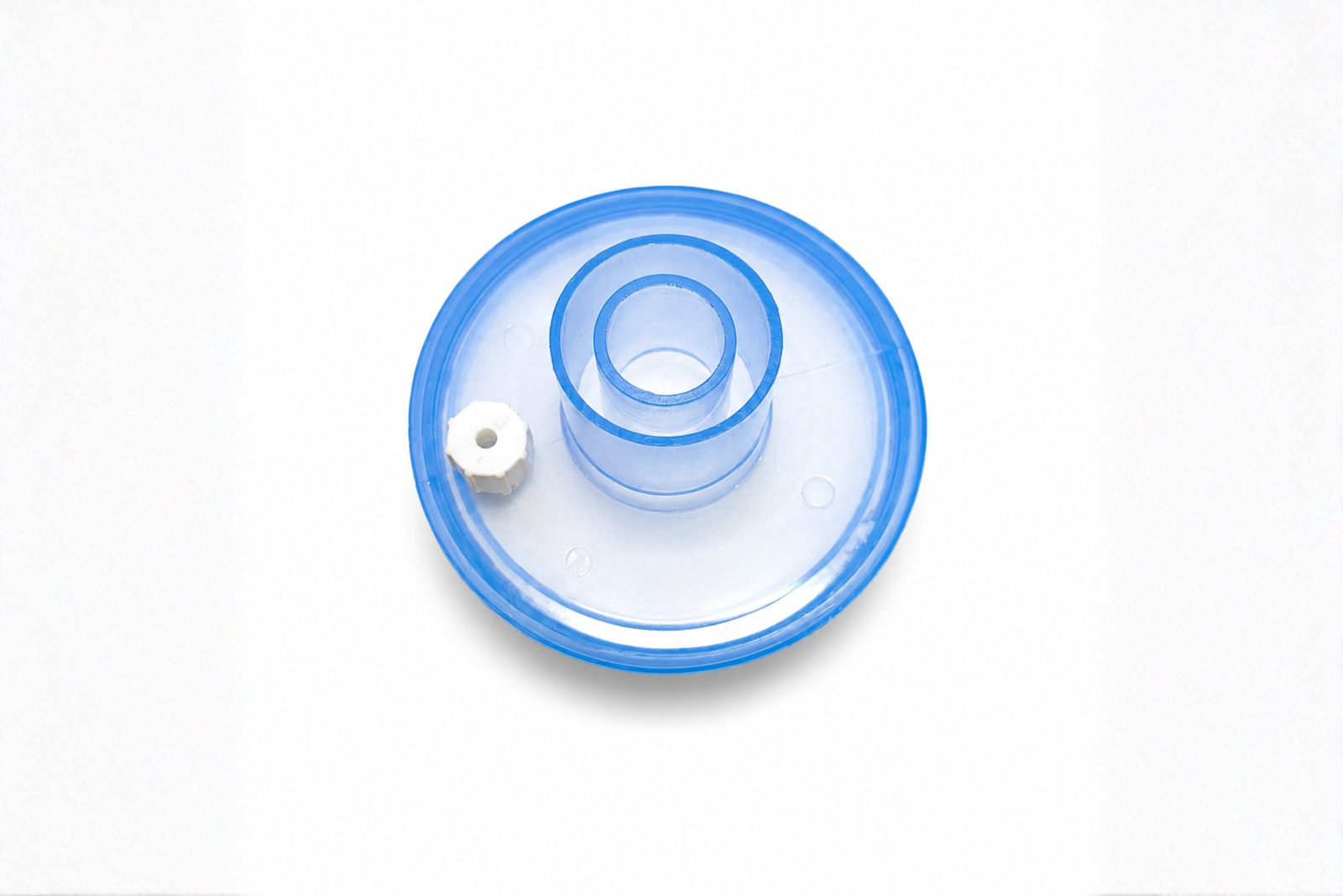
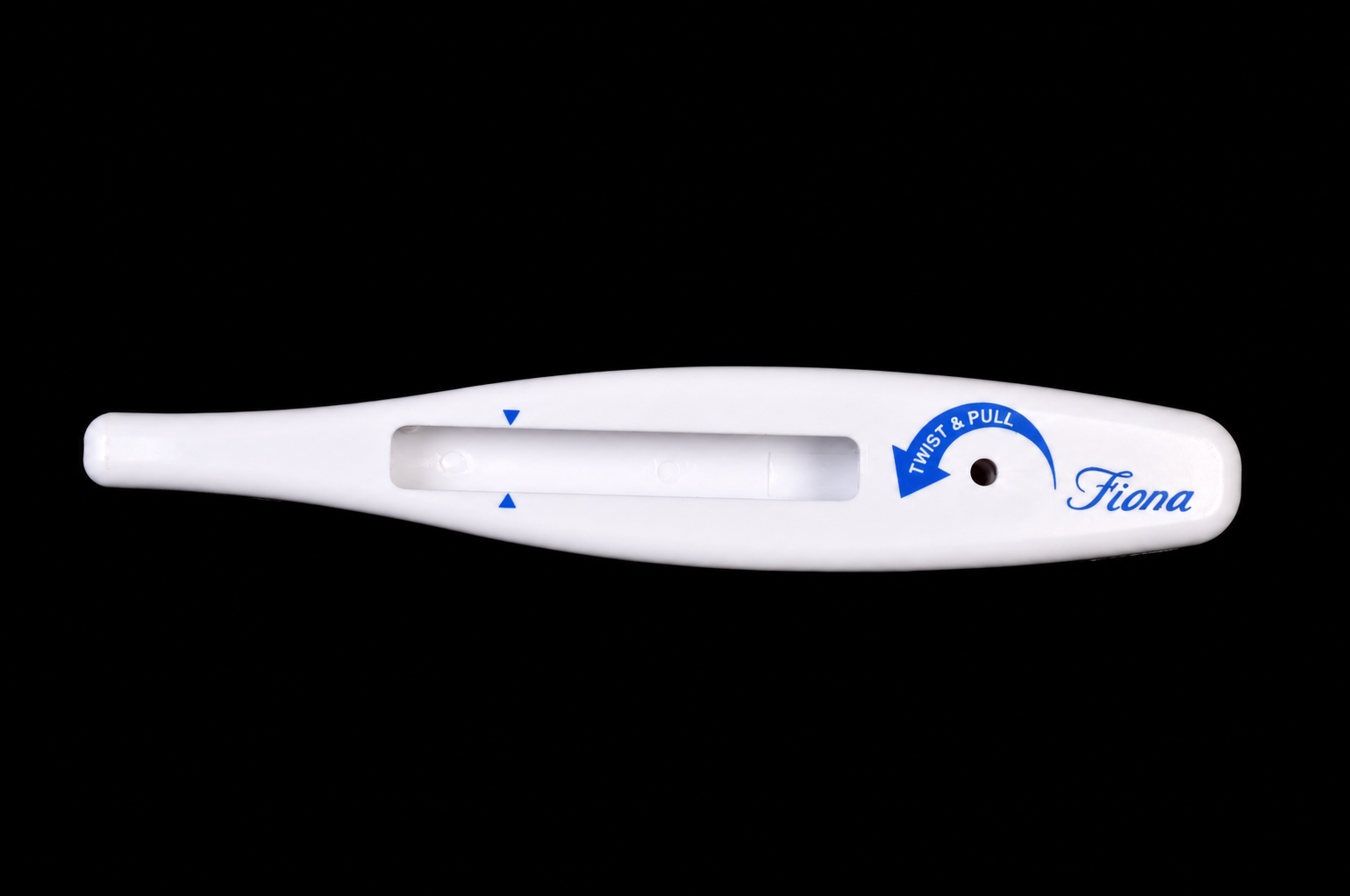


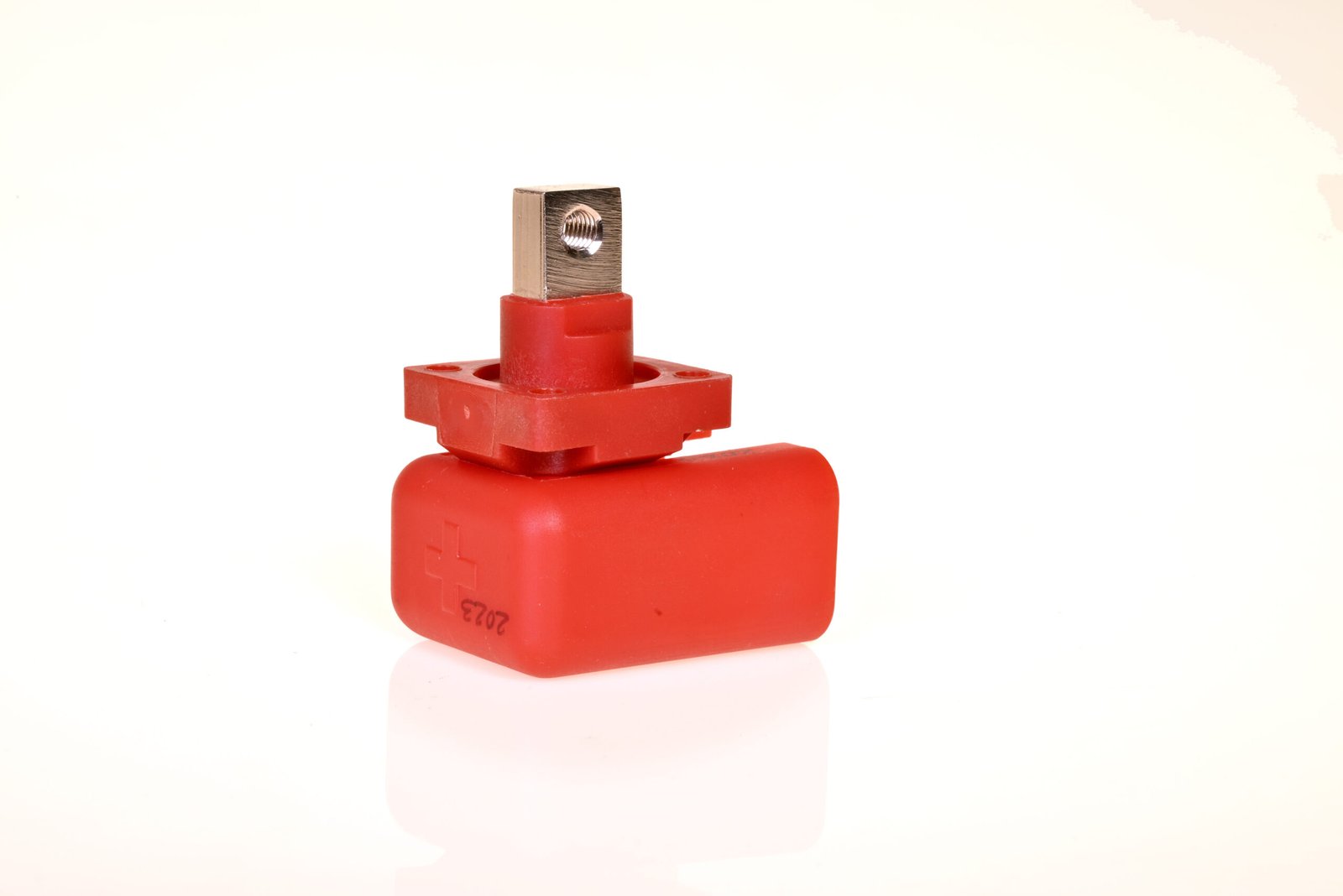



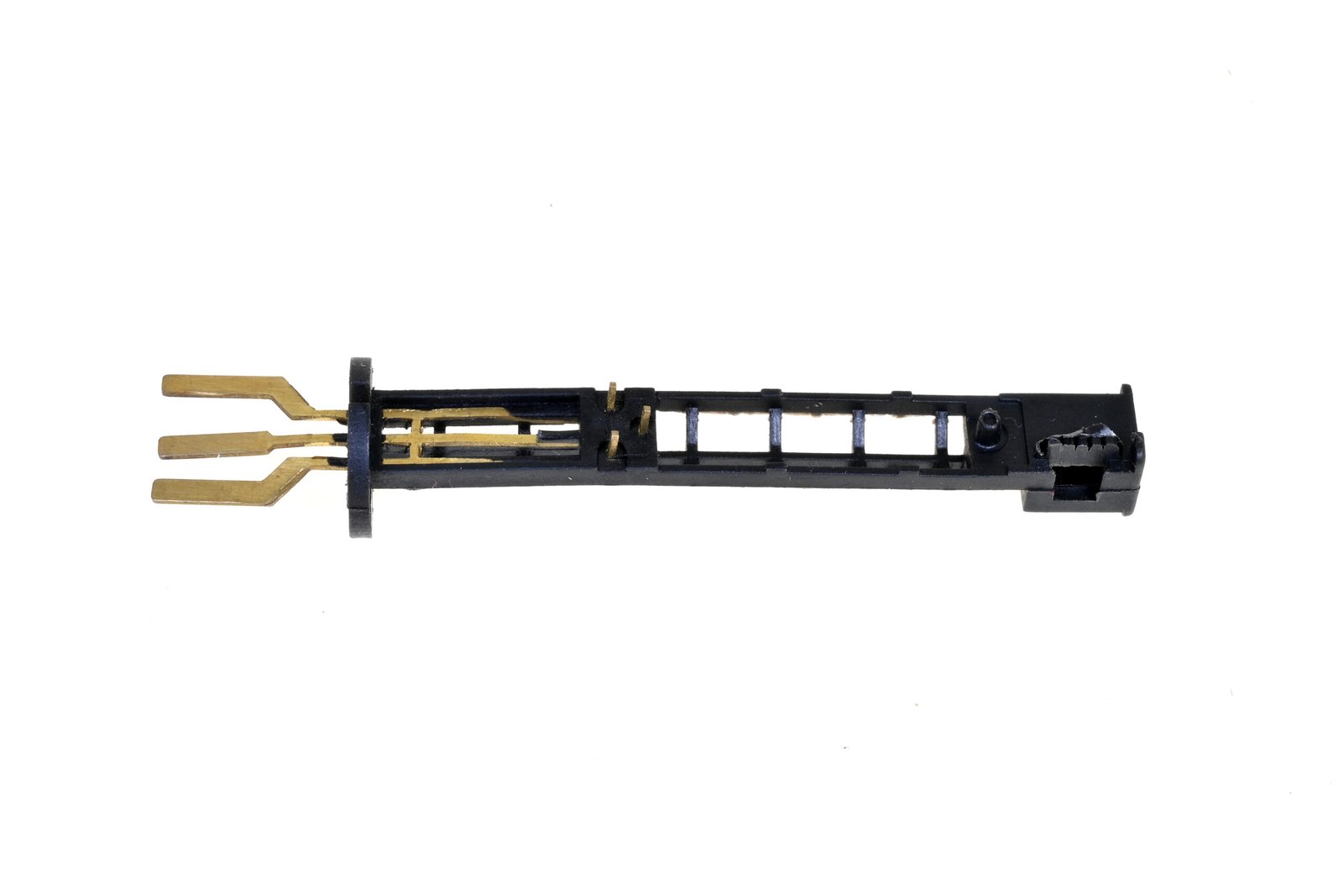
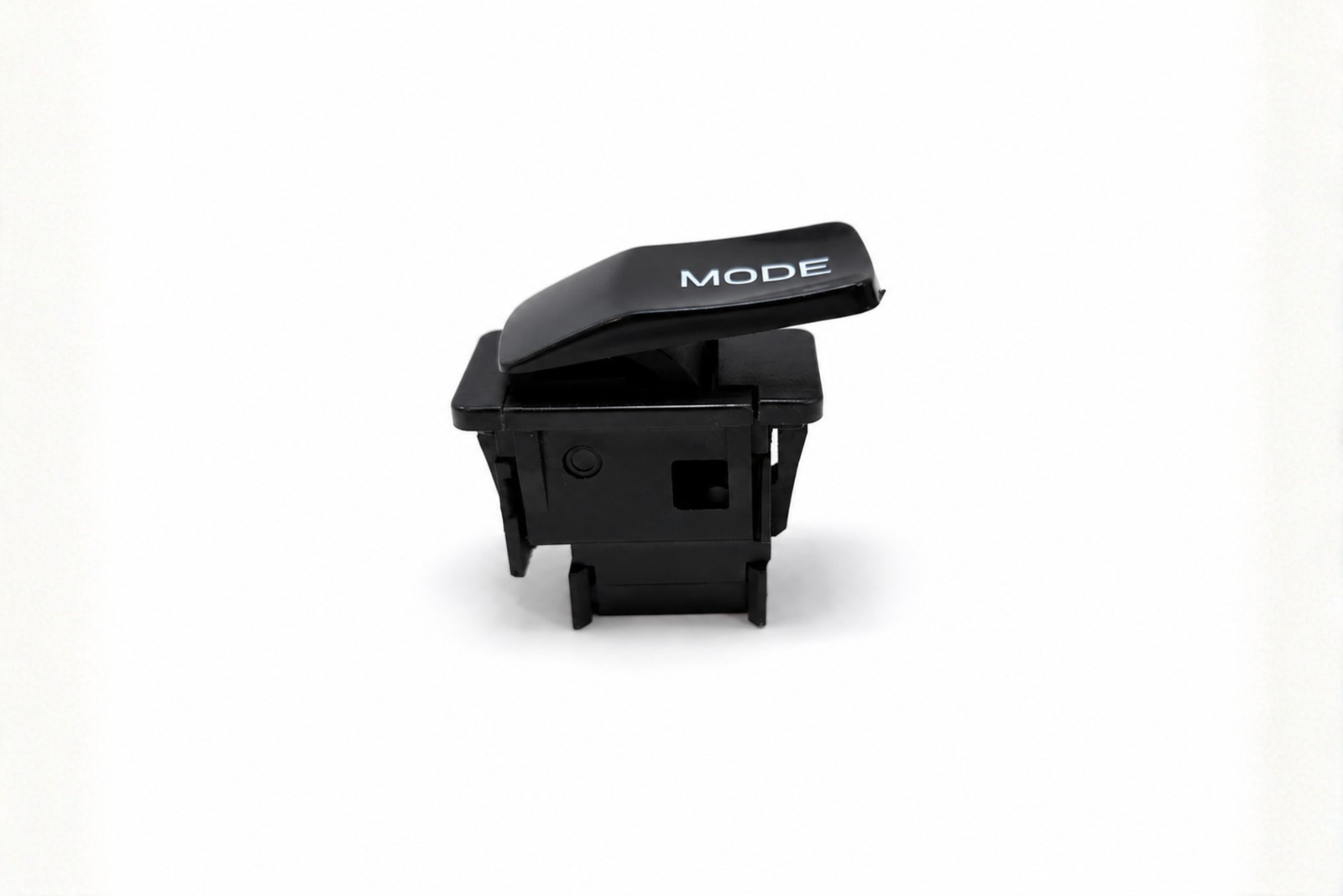
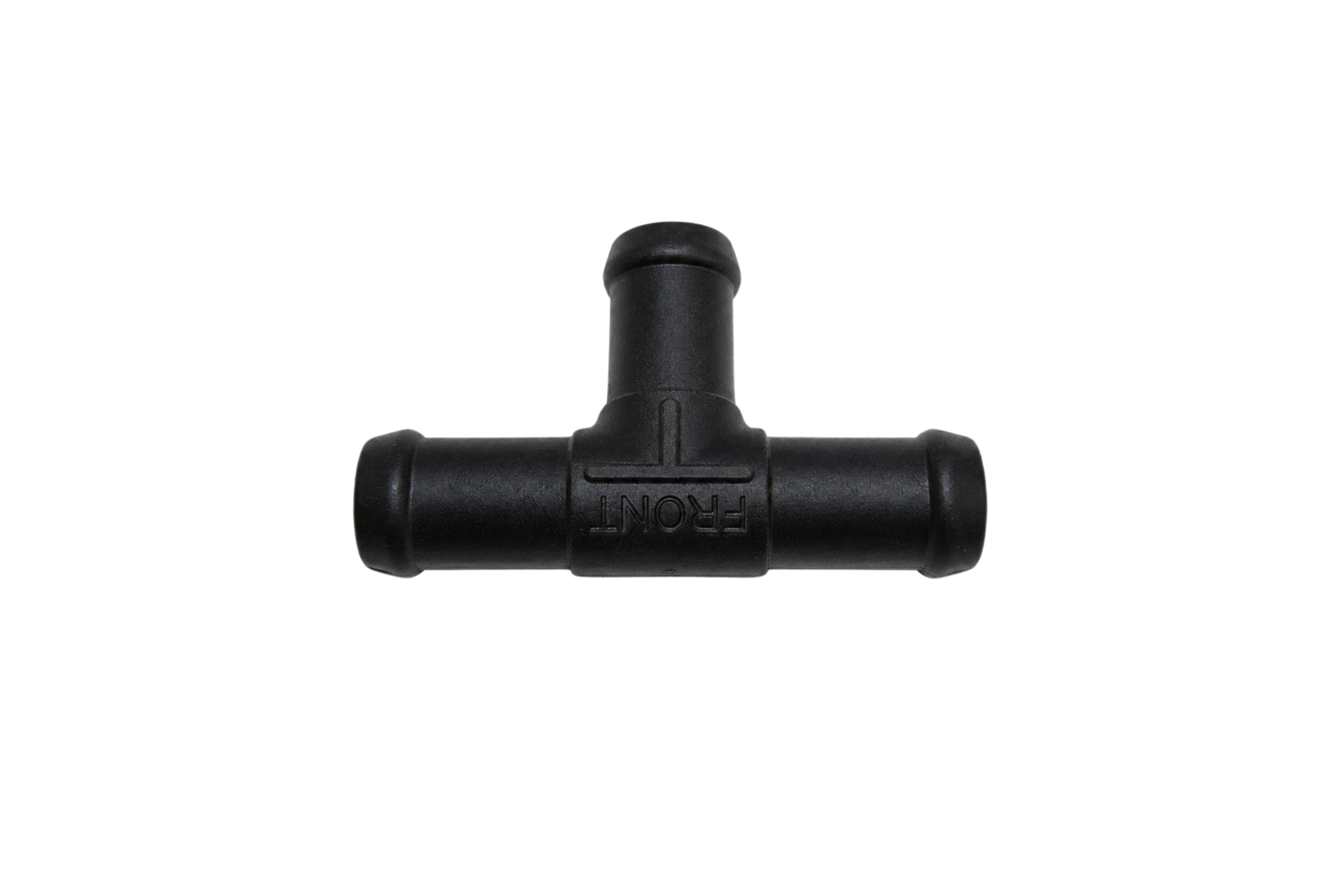
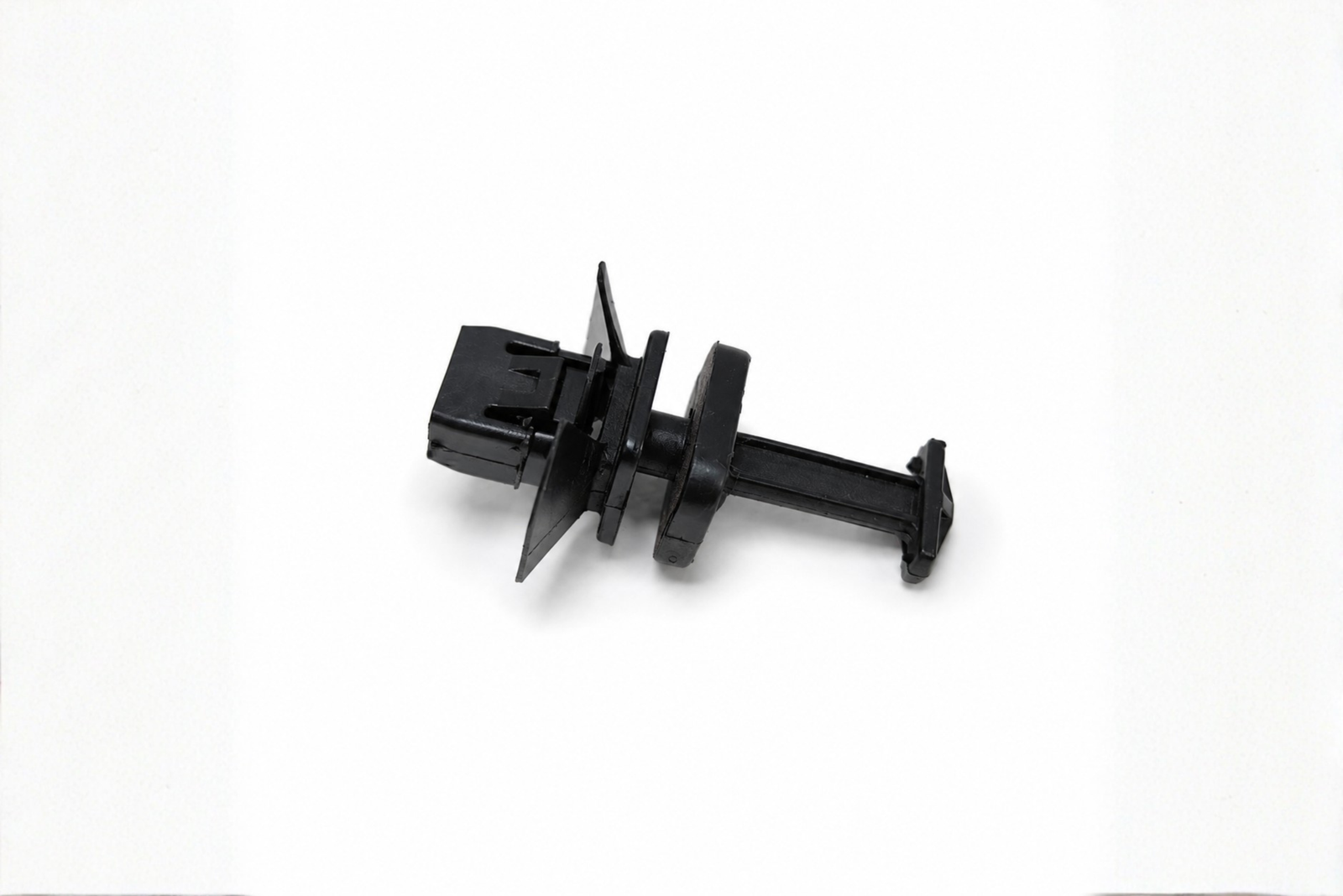

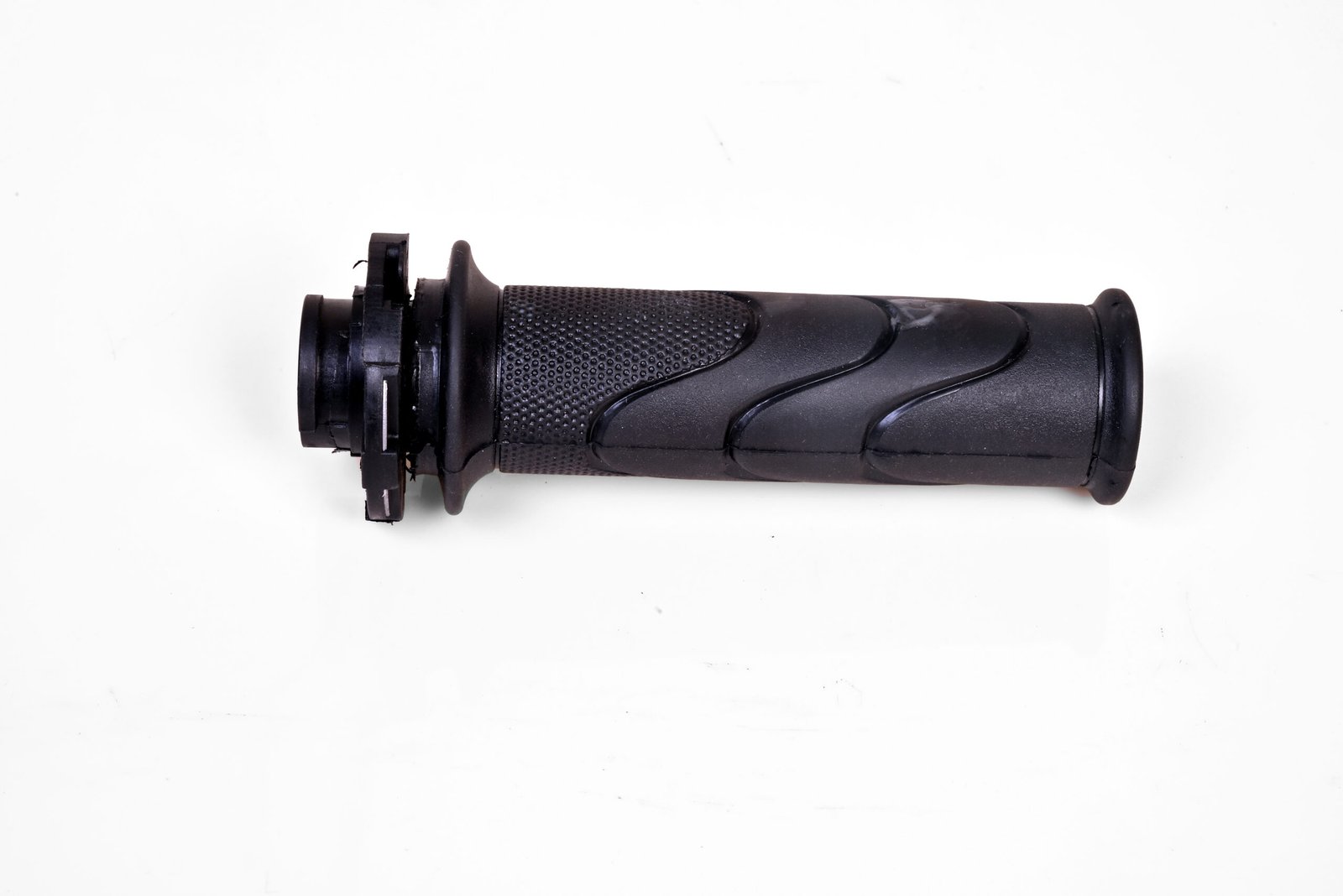


Impact Across Industries
Pushing Product Development Boundaries






We Deliver Precision Plastic Injection Moulding Services
Transforming complex designs into production-ready parts with ±0.02mm accuracy.
Schedule a CallExplore ServicesWhat is injection moulding best suited for?
Plastic injection moulding excels in medium to high-volume production where consistency, speed, and part complexity matter. It’s ideal for industries like medical, automotive, aerospace, and consumer electronics, where dimensional accuracy and repeatable performance are crucial.
What is the difference between prototype moulding and production moulding?
Prototype moulding uses soft tools (aluminium or silicone) for low-volume runs and design validation, while production moulding — true injection mould manufacturing — involves hardened steel tools built for high-volume manufacturing.
At Marcopolo, we help you choose the right approach based on your project stage, volume, and budget, thereby ensuring you invest wisely at every step.
Can I get overmoulded or insert-moulded parts?
Yes! We offer both overmoulding (combining soft and rigid zones) and insert moulding (embedding metal or plastic inserts during the process). This reduces post-production assembly and improves part durability and function.
Why choose Marcopolo over other plastic injection moulding companies in India?
Unlike commercial suppliers, we offer flexible MOQs starting from 50 parts, combined with our own Tool Room and injection moulding under one roof. Many commercial companies have only a Tool Room or only moulding machines. With both, you can develop the tool, mould the parts and maintain the tool as a secure asset with one partner, along with CMM/VMM inspection for every batch and full material traceability across every program.
What’s your lead time for injection mould manufacturing and sampling?
For soft tooling (aluminium moulds) – 2-6 weeks for injection mould manufacturing with T1 samples. For production hard tools – 4-6 weeks depending on complexity.
What is plastic injection moulding and how does it benefit manufacturers?
Plastic injection moulding is a process where molten plastic is injected into a mould cavity to create precise, repeatable parts. It benefits manufacturers by enabling high-volume production, tight tolerances, and material flexibility, making it ideal for industries like automotive, aerospace, and medical devices.
What is injection mould manufacturing and why is it critical?
Injection mould manufacturing involves designing and machining moulds that define the geometry of plastic parts. It is critical because the quality of the mould directly impacts part accuracy, surface finish, and production efficiency. A well-engineered mould reduces defects and ensures long-term reliability in production.
What industries benefit most from plastic injection moulding services?
Plastic injection moulding services are widely used in automotive, aerospace, medical devices, Industrial electronics, Heavy Machinery and several other sectors. . The process delivers high-precision, durable, and cost-effective parts that meet strict industry standards.